
The Miami rental market in 2026 has shifted from the era of "effortless appreciation" to a high-stakes operational game. While median rents in neighborhoods like Brickell and Coral Gables remain among the highest in the nation: averaging between $2,249 and $3,100: the "cooling" of rent growth to a modest 0.9–1.6% YoY means that your bottom line is no longer protected by market tailwinds.
Today, maximizing your Net Operating Income (NOI) is a battle won in the margins. For many Miami investors, the real threat to their Cap Rate isn't a lack of demand; it’s a series of "hidden" profit leaks that drain thousands of dollars annually.
Here are the 7 hidden ROI killers currently impacting Miami rental portfolios and the professional property management services in Miami required to neutralize them.
1. The Vacancy Lag (Inefficient Marketing)
In a market where the average rent is $3,000, every day your unit sits empty costs you exactly $100. A two-week "marketing lag" is a $1,400 hit to your annual revenue: a loss that can never be recovered.
The Challenge: DIY landlords often rely on a single listing platform and low-quality smartphone photos. In a "cool" market where supply is catching up to demand, this results in high Days on Market (DOM).
The Professional Fix: We operationalize the "pre-lease" phase. By leveraging professional wide-angle photography and syndicating listings across 50+ major portals simultaneously, we compress the vacancy window. Our goal is a "zero-day turn," where a new lease is executed before the current tenant vacates.
2. Static Pricing in a Dynamic Market
Miami is a collection of hyper-local micro-markets. Pricing a luxury condo in Edgewater based on a six-month-old "Zestimate" is a recipe for either extended vacancy or leaving "money on the table."
The Challenge: Static pricing fails to account for real-time absorption rates and seasonal demand shifts unique to South Florida.
The Professional Fix: We use data-driven dynamic pricing models. By analyzing neighborhood-level market comps in real-time, we ensure your asset is priced to maximize ROI while maintaining a sub-national vacancy rate (currently 6.3% in Miami vs. 7.1% nationally).

3. The "Maintenance Snowball" (Deferred Repairs)
With maintenance labor and material costs rising 24% YoY in Miami, the "wait and see" approach to repairs is financially terminal. A $150 minor leak in a Brickell high-rise can quickly evolve into a $5,000 mold remediation project.
The Challenge: Reactive maintenance is the most expensive way to manage an asset.
The Professional Fix: Winvest Management implements proactive maintenance via preventative schedules. By conducting regular inspections and utilizing a vetted vendor network, we address issues at the "hundred-dollar stage" rather than the "thousand-dollar stage." This protects the long-term IRR of your property.
4. The SB 4-D Compliance Trap
Florida’s new condo reserve laws (SB 4-D) have sent shockwaves through the Miami market, with some HOA fees increasing by 45% since 2021 to meet structural integrity reserve requirements.
The Challenge: Many owners are caught off-guard by special assessments or massive fee hikes that turn cash-flow-positive units into "alligators" (properties that eat cash).
The Professional Fix: Our HOA-savvy operations include a deep dive into building financials. We help owners navigate new condo reserve laws by auditing HOA meeting minutes and reserve studies before they impact your ROI, allowing for strategic exits or budget adjustments.
5. Tenant Churn and High Turnover Costs
The "Total Cost of Turnover" is often underestimated. Between the leasing commission, cleaning fees, paint touch-ups, and the inevitable 21-day vacancy, a single tenant move-out can cost an owner 1.5x to 2x the monthly rent.
The Challenge: High turnover is usually a symptom of poor tenant screening or unresponsive management.
The Professional Fix: We focus on strategic renewals. By maintaining high "Tenant Satisfaction Scores" through 24/7 maintenance coordination and clear communication, we keep reliable tenants in place longer, effectively "locking in" your cash flow.
6. DIY Vendor Premium (The "Retail" Tax)
When a DIY landlord calls a plumber in Miami, they are almost always paying "retail" rates. In a city where insurance costs have spiked 29% YoY, you cannot afford to overpay for basic repairs.
The Challenge: Individual owners lack the "bulk purchasing power" to negotiate favorable rates with high-quality vendors.
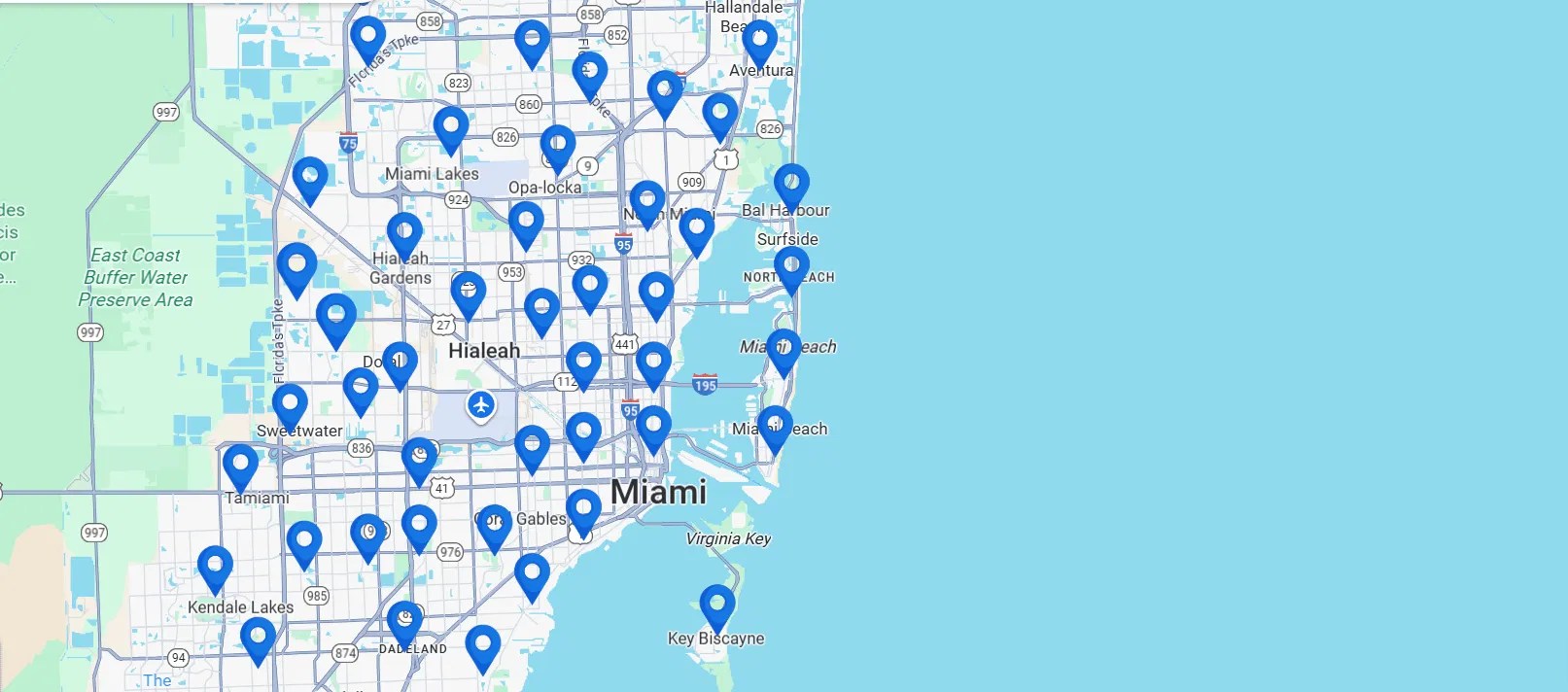
The Professional Fix: Because we manage a broad portfolio across neighborhoods from Miami Beach to Doral, our vendors provide us with "wholesale" pricing and priority scheduling. These savings are passed directly to your bottom line, offsetting the rising costs of taxes and insurance.
7. Opacity in Reporting (The "Lost Dollar" Syndrome)
If you cannot see your real-time expense ratios, you cannot optimize them. Many owners only realize their ROI has slipped when they hand a pile of disorganized receipts to their CPA at the end of the year.
The Challenge: Lack of financial transparency leads to "leakage": untracked fees, missed late charges, or inefficient tax deductions.
The Professional Fix: We provide an owner portal with real-time statements and tax-ready reporting. This "Transparency-First" approach ensures every dollar is accounted for, allowing you to treat your Miami rental as a clinical investment vehicle rather than a stressful hobby.
Summary: The Logic of Professional Management
In the 2026 Miami market, "passive income" is a misnomer. Real estate at this level requires institutional-grade oversight to combat the rising costs of insurance (+29%), taxes (+22%), and maintenance (+24%).
The Before vs. After Comparison:
| Metric | DIY/Suboptimal Management | Winvest Optimized Management |
|---|---|---|
| Vacancy Window | 30 – 45 Days | < 14 Days |
| Maintenance Cost | Reactive (Retail Rates) | Preventative (Contractor Rates) |
| Pricing Strategy | Static/Emotional | Dynamic/Data-Driven |
| Annual ROI Impact | 2% – 4% Leakage | 5% – 8% Retention/Lift |
Disclaimer: ROI figures are illustrative and vary by building, submarket, and asset condition. This is not financial advice.
Ready to Plug the Leaks in Your Portfolio?
The difference between a 4% cap rate and a 6% cap rate is often found in the quality of the property management. At Winvest Management, we provide the local expertise and operational scale needed to thrive in Miami’s complex landscape.
Explore our Coral Gables Property Management Guide or Book an Appointment to discuss your portfolio optimization strategy.
Leave a Reply