Looking for Better ROI? 5 Ways Professional Residential Property Management Miami Offsets Rising Insurance Costs

1. Wind Mitigation and Property Hardening
The first lever is not shopping quotes harder. It is making the asset easier to insure. In Miami, carriers price risk based on roof age, opening protection, water intrusion exposure, and documented mitigation features. That means inspections and basic hardening work can directly improve your insurance profile.
For owners in Brickell high-rises, Coral Gables single-family homes, and Doral rental portfolios, the play is simple: coordinate the inspection, document the upgrades, and push for every eligible credit.
What this looks like operationally:
- Wind Mitigation Inspections: Verify roof-to-wall connections, roof covering age, secondary water resistance, and opening protection.
- 4-Point Inspections: Identify issues with roofing, electrical, plumbing, and HVAC systems before they become underwriting problems.
- Hardening Upgrades: Prioritize shutters, impact-rated openings, roof repairs, drainage corrections, and leak-prone exterior details.
- Documentation Packets: Keep photos, invoices, permits, and inspection reports organized for renewal reviews and carrier requests.
Before vs. After
- Suboptimal: Owner assumes the property is "fine," submits incomplete information, and absorbs a higher premium.
- Optimized: Owner presents a cleaner risk profile with documented mitigation features, creating a stronger case for credits and better underwriting treatment.
2. Data-Driven Dynamic Pricing
If your premium rises, your rent strategy cannot stay static. One of the fastest ways to offset higher insurance cost is to optimize top-line revenue using live market comps, not guesswork.
This is where professional management materially changes NOI. We analyze neighborhood-level pricing, concession trends, days on market, and unit-level positioning to help you capture fair market rent without overpricing into vacancy. In fast-moving submarkets like Brickell, Coral Gables, and Doral, even a 3% to 7% rent gap can erase margin over a 12-month hold.
The pricing workflow:
- Comp Set Build: Review nearby active, pending, and recently leased units.
- Positioning: Adjust for building quality, parking, amenities, view, HOA restrictions, and lease term.
- Launch Strategy: Set an initial rent that balances velocity and revenue.
- Weekly Review Cadence: Reprice based on traffic, inquiries, showing volume, and competing inventory.
The logic
- Suboptimal: List too high, sit vacant for 30+ extra days, then discount aggressively.
- Optimized: Launch at the right number, fill faster, and protect annual gross income.

3. Proactive Risk Management & Documentation
Insurance cost is not only about the structure. It is also about claims history, preventable incidents, and whether there is a clean paper trail when something goes wrong. Good operations reduce frequency risk. Great documentation reduces friction.
This is especially relevant in Miami rentals where water claims, maintenance disputes, and storm-season issues can compound quickly. A property with systematized inspections and documented maintenance history is easier to defend, easier to manage, and generally less exposed to repeat problems.
The SOP:
- Move-In Documentation: Time-stamped photos, condition reports, and signed acknowledgments.
- Routine Inspections: Scheduled checks for leaks, HVAC performance, safety items, and deferred maintenance.
- Work Order Audit Trail: Every repair request, vendor invoice, and completion note logged in one place.
- Renewal File Maintenance: Keep service history organized to show proactive care over time.
Outcome
- Fewer preventable loss events
- Cleaner maintenance history
- Better visibility into recurring issues before they become insurance claims
- Stronger documentation if a dispute or carrier question comes up
4. Reducing Turnover Costs
Every avoidable turnover is an NOI leak. Vacancy loss, cleaning, touch-up work, leasing fees, utilities during downtime, and make-ready labor can cost more than many owners realize. In some cases, one bad turnover can wipe out the savings you were hoping to find in your insurance line item.
Retention is one of the most practical ways to preserve cash flow. If a qualified tenant stays longer, you reduce downtime and smooth your revenue stream. That matters even more when fixed costs like insurance are moving up.
How professional management helps extend tenant stay:
- Strategic Renewals: Offer rent increases that track the market without forcing unnecessary turnover.
- Fast Maintenance Response: Residents renew more often when issues are handled quickly and clearly.
- Expectation Management: Clear communication, documented policies, and consistent enforcement reduce friction.
- Preventative Care: Better property condition supports better resident experience.
Cash flow logic
- Suboptimal: Push rent too aggressively, lose the tenant, absorb vacancy plus turn costs.
- Optimized: Renew at a rational number, preserve occupancy, and protect annual cash flow.

5. Reducing "Non-Insurance" OpEx via Scaled Vendor Networks
If you cannot lower your insurance premium, you must lower your other operating costs to protect your bottom line. This is where the scale of professional management becomes your greatest financial advantage.
Individual landlords pay "retail" for repairs and maintenance. Winvest Management leverages a vetted network of vendors to secure preferred "wholesale" pricing. By saving 10% on landscaping, 15% on HVAC repairs, and 20% on plumbing calls, we create a pool of capital that effectively "pays" for the increase in your insurance premium.
The Winvest Preventative Maintenance SOP:
- Quarterly HVAC Filter Swaps: Prevents costly compressor failures.
- Annual Plumbing Snakes: Reduces the risk of "slow leaks" that lead to mold claims.
- Hurricane Preparedness Audits: Ensuring all shutters and drainage systems are functional before the season starts.
The Bottom Line: Your ROI is a Choice
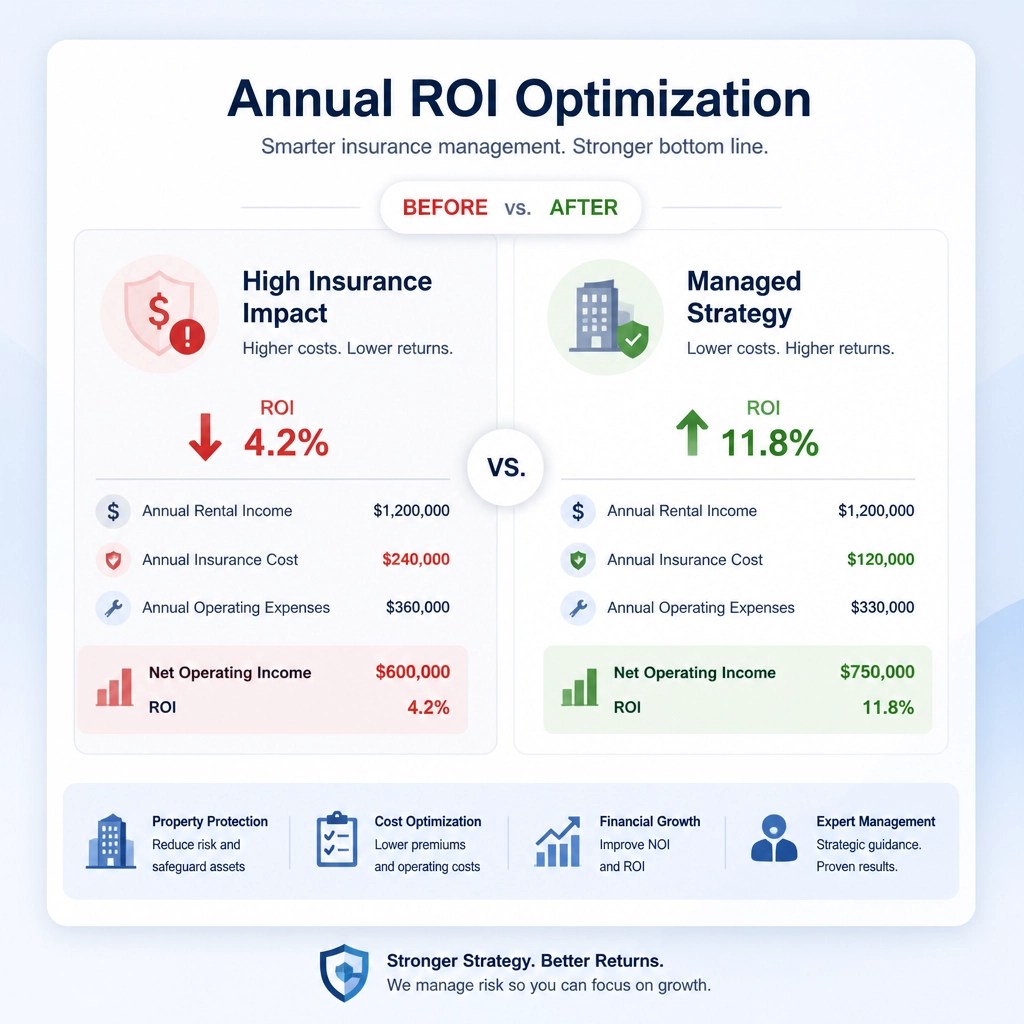
Rising insurance costs in Miami are a market reality, but they don't have to be a death sentence for your investment strategy. By transitioning from a "reactive" DIY approach to a "proactive" professional management strategy, you shift the focus from paying costs to managing risk.
Whether you own a condo in Brickell, a rental home in Coral Gables, or a portfolio in Doral, the goal remains the same: maximizing the spread between your gross revenue and your total cost of ownership.
Ready to stabilize your NOI?
Explore our Miami Real Estate Investment Guide or contact our team for a detailed portfolio analysis. We help you navigate the complexities of the Florida market so you can enjoy the returns of hands-off ownership.
